Creation Based Learning
Learning comes alive when students can see it, touch it, explore it, and connect it to the world God created. Creation-Based Learning gives students opportunities to move beyond textbooks and experience learning in meaningful, hands-on ways. It invites curiosity, encourages discovery, and helps children understand that the world around them is filled with lessons waiting to be noticed.
Through classroom projects, outdoor exploration, field trips, and schoolwide initiatives, students are encouraged to ask questions, solve problems, care for creation, and see how their learning connects to real life. This approach helps students grow as thoughtful learners, responsible stewards, and faithful children of God.
Creation-Based Learning is not one single program. It is a way of helping students experience wonder, purpose, and connection in what they learn each day.
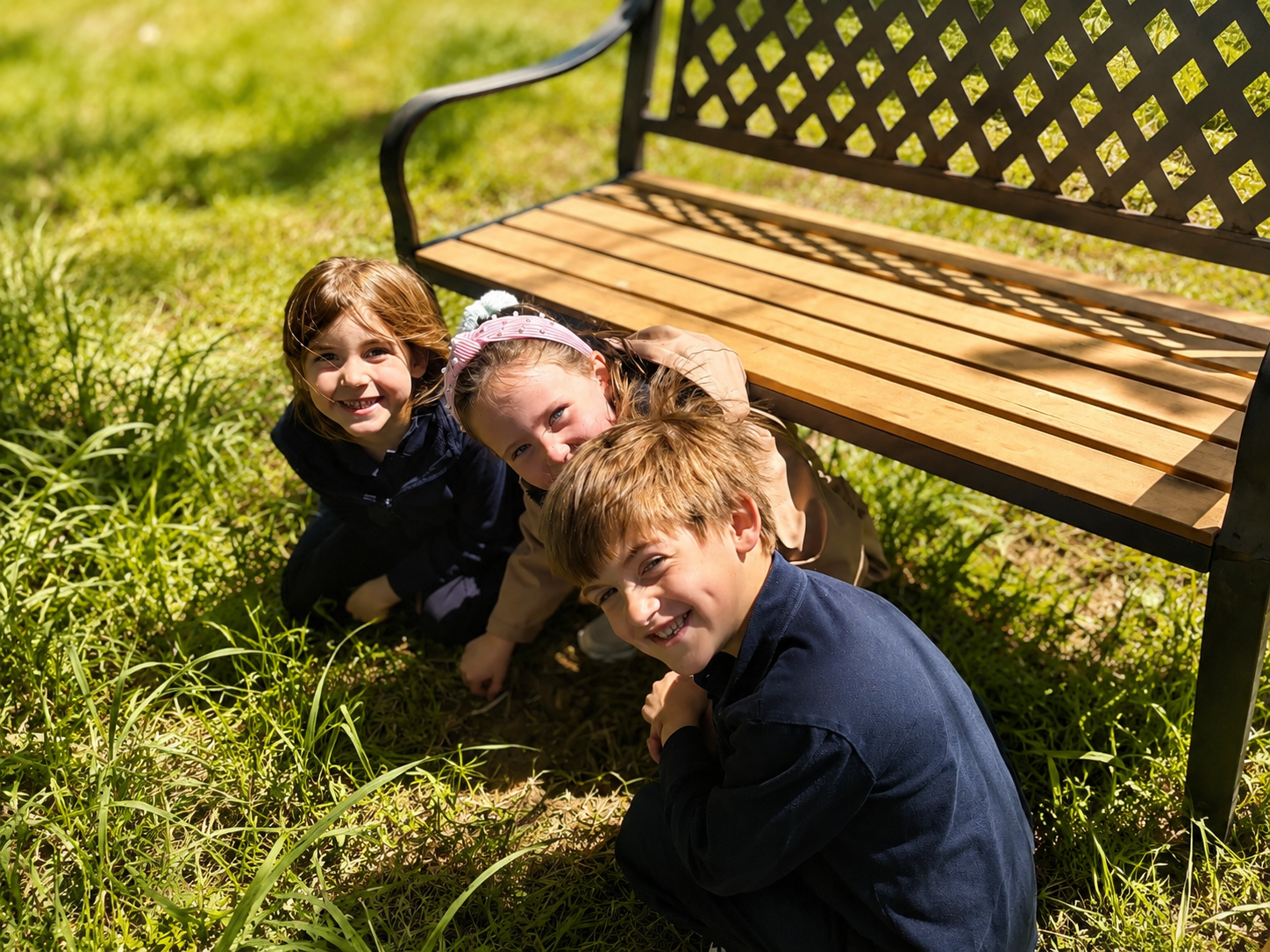
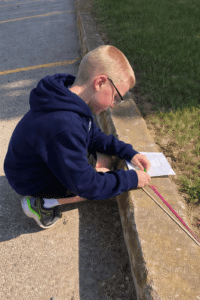
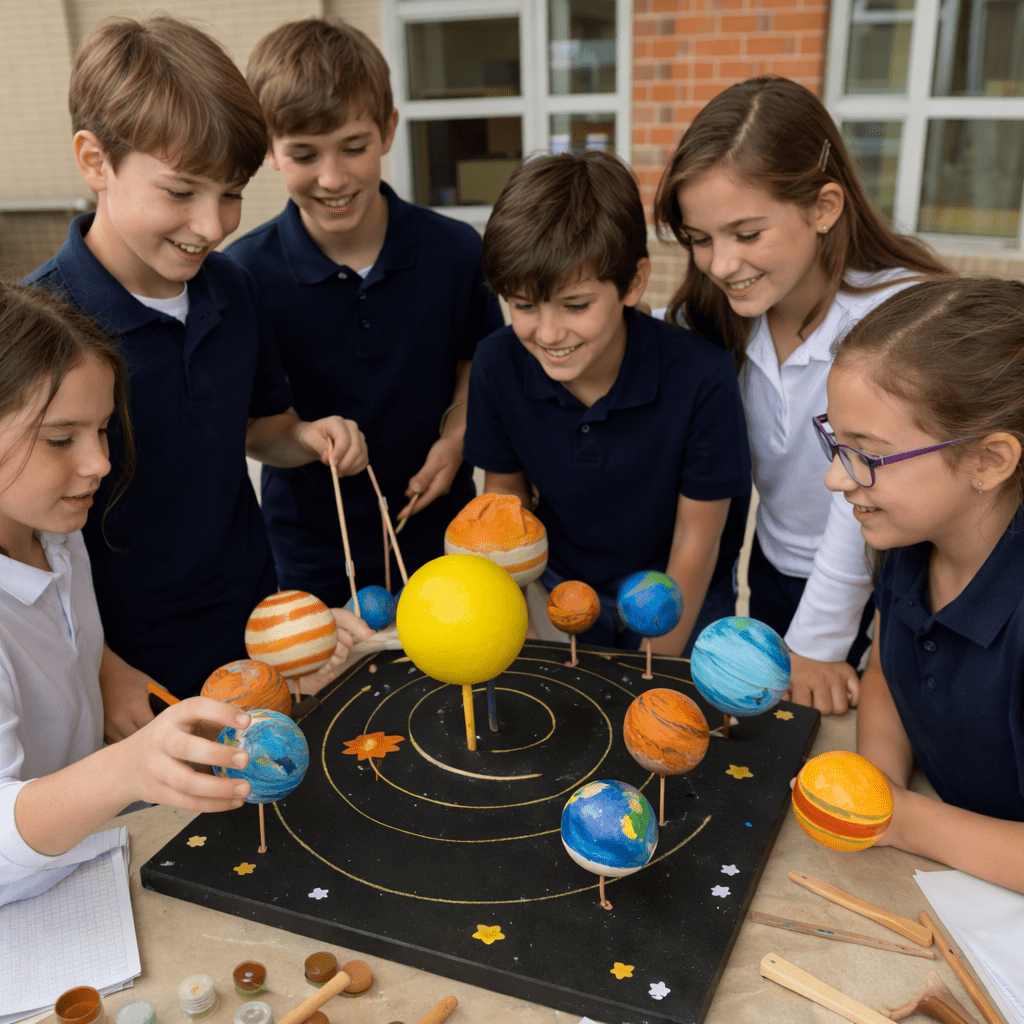
Students naturally learn best when they are actively engaged in the process of discovery. Rather than simply reading about a concept in a textbook, students are encouraged to experience it firsthand through observation, investigation, collaboration, and meaningful experiences that spark excitement and curiosity. Learning becomes more than memorizing facts. It becomes a journey of exploration where students are inspired to ask questions, seek answers, and make real-world connections.
By integrating faith and academics, students begin to recognize that learning exists all around them. The changing seasons, growing plants, weather patterns, ecosystems, and even everyday experiences become opportunities for learning and reflection. Students not only develop academic skills, but also gain a greater appreciation for the beauty and complexity of God’s creation.
This approach encourages students to become active participants in their education while building important life skills such as creativity, critical thinking, responsibility, communication, and teamwork. It helps students understand that even the smallest observations can lead to important discoveries and that learning does not stop when the school day ends.
Creation-Based Learning creates an environment where students are encouraged to wonder, discover, create, and grow while developing a deeper understanding of both the world around them and their role within it.





What Students Experience:
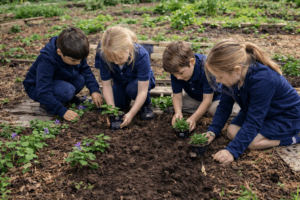
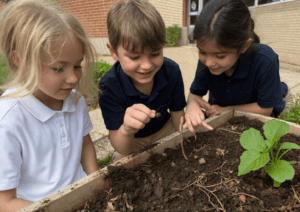
Students have the opportunity to learn how plants grow through hydroponics, a soil-free growing method that uses water, nutrients, and light. This hands-on experience helps students explore plant life, sustainability, responsibility, and the science behind how living things grow.
Hydroponics allows students to observe growth over time, ask questions, make predictions, and see the results of their care and attention. It brings science to life in a way students can watch unfold right in front of them.
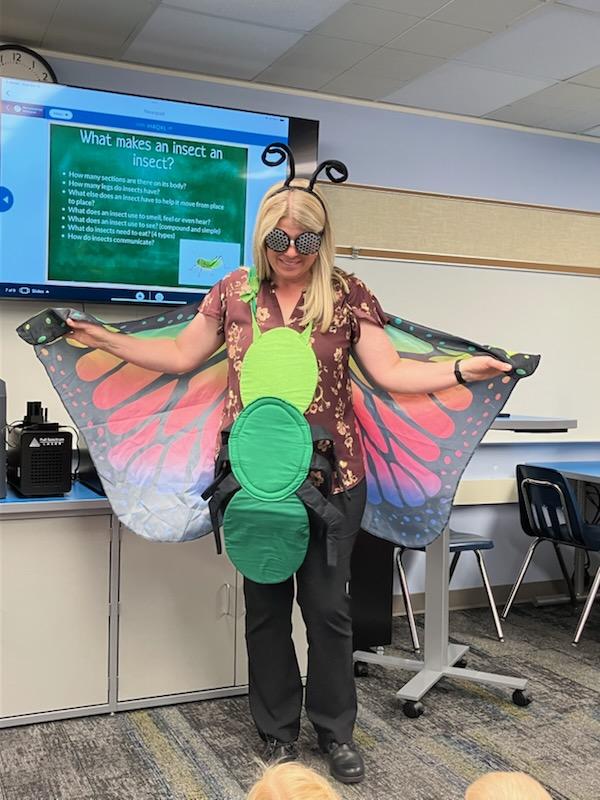
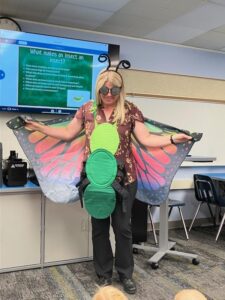
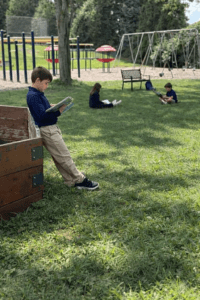
Plans are underway to create a butterfly garden where students can learn about pollinators, life cycles, habitats, and the beauty of God’s creation. This garden will provide a meaningful outdoor learning space while also supporting butterflies and other pollinators.
Students will be able to observe how plants, insects, weather, and ecosystems work together. From planting and caring for flowers to watching butterflies visit the garden, this project will help students experience science, stewardship, and wonder in a beautiful way.
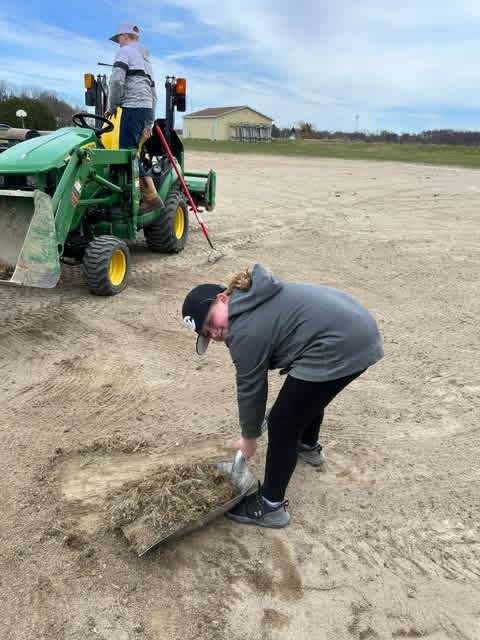
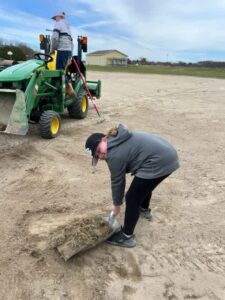
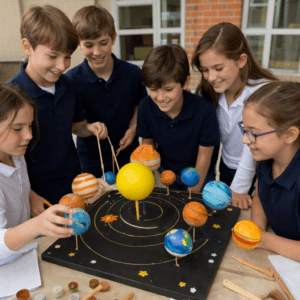
Each grade will take on special projects connected to Creation-Based Learning, giving students ownership over real-world topics such as weather, recycling, gardening, conservation, habitats, and caring for the environment.
These projects allow students to dig deeper into topics at an age-appropriate level while building responsibility, teamwork, creativity, and problem-solving skills. As students learn, they are also helping shape a school culture that values curiosity, stewardship, and care for creation.
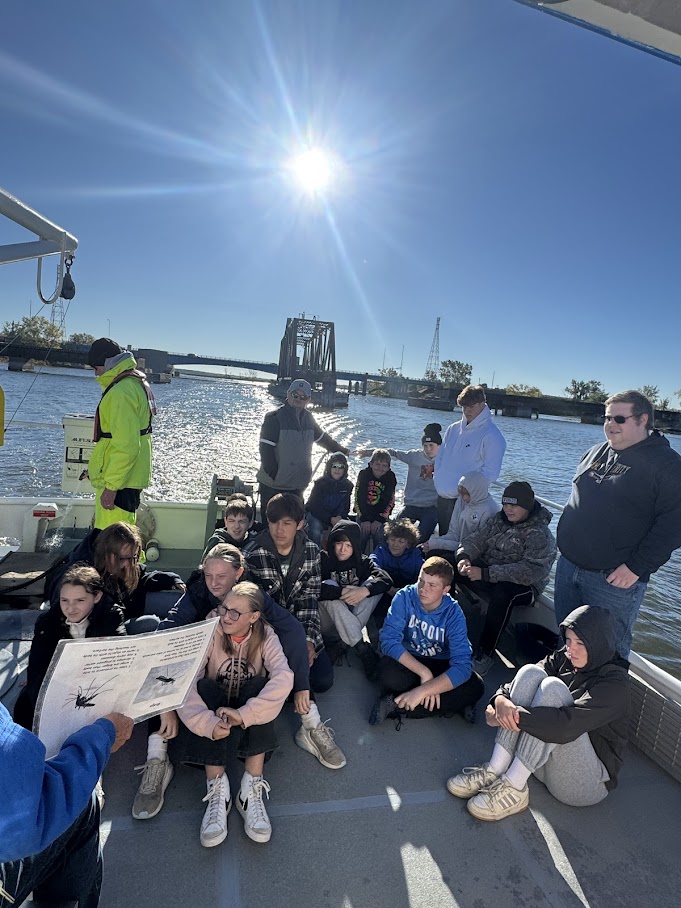
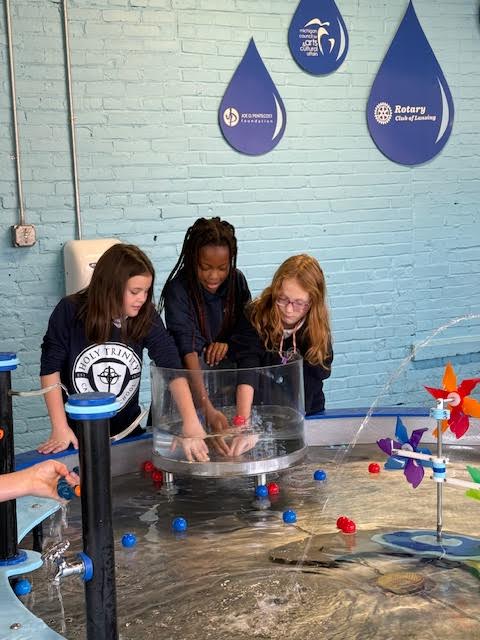
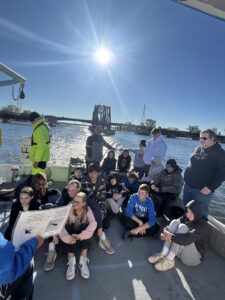
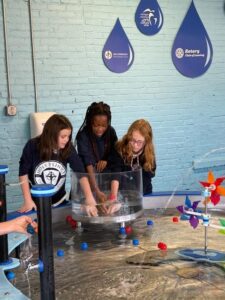
Field trips are an important part of Creation-Based Learning because they help students connect classroom lessons with real-world experiences. Whether students are visiting nature centers, farms, museums, parks, or community spaces, these trips allow them to explore, observe, and learn in new environments.
Field trips help students see that learning is not limited to the classroom. The world around them becomes part of the lesson.
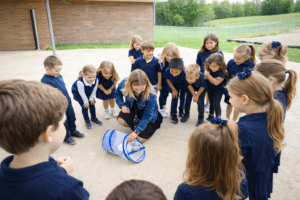
Students are learning that caring for creation begins with everyday choices. Through recycling projects and environmental initiatives, students will have opportunities to take responsibility for reducing waste and caring for the world around them.
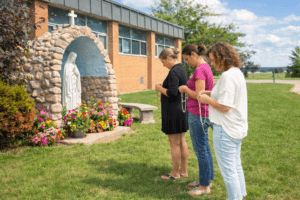
Recycling teaches students that small actions can make a difference. It also helps them understand stewardship as part of our Catholic faith: we are called to respect, protect, and care for the gifts God has given us.
Why It Matters
Creation-Based Learning helps students become curious, engaged, and compassionate learners. It encourages them to notice details, ask deeper questions, and understand how classroom learning connects to the world around them. Rather than simply learning concepts for a test, students begin to recognize how their education applies to everyday life and how they can use what they learn to better understand the world around them.
Through hands-on experiences and meaningful opportunities for discovery, students develop important skills while building a stronger appreciation for both learning and stewardship.
Through these experiences, students grow in:
- Academic understanding
- Hands-on problem solving
- Teamwork and responsibility
- Care for the environment
- Appreciation for God’s creation
- Confidence and curiosity
Most importantly, students learn that they are part of something bigger. They are called to learn from creation, care for creation, and recognize God’s presence in the beauty and complexity of the world around them. Through these experiences, students begin to understand that even small actions can make a meaningful impact and that they each have a unique role in caring for the gifts God has given us.